
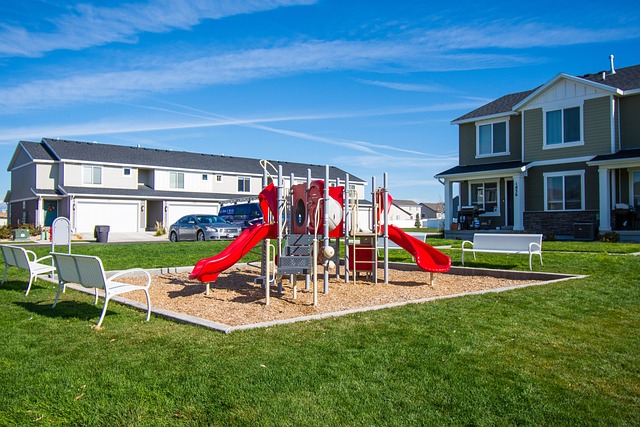
Multifamily property lending in Colorado benefits from long-term loans offering flexible terms (15-30 years) for significant investments. Lenders assess property value, rental income, and market trends to mitigate risks. Strong economic indicators and high demand drive the market, with 2022 occupancy rates at 97% and year-over-year rent increases of 12%. Success requires strategic risk management, thorough due diligence, and robust financial strategies. Lenders consider borrower qualifications, property location, trends, and tenant demographics. Tailored interest rates (4-5%) and repayment options enhance financing opportunities for ambitious real estate projects in this competitive sector. Investing in Colorado's multifamily market offers promising growth with state incentives, focusing on areas with strong employment, low vacancy, and community sentiment.
In the dynamic landscape of real estate investment, understanding long-term loans—particularly within the niche yet vital sector of multifamily property lending Colorado—is crucial for both seasoned professionals and aspiring investors. As the market evolves, navigating these financial instruments effectively is essential to capitalize on opportunities and mitigate risks associated with acquiring, renovating, and managing multifamily properties. This article provides an in-depth exploration of long-term loans, their intricacies, and their pivotal role in shaping the multifamily real estate landscape in Colorado, offering valuable insights for informed decision-making.
- Understanding Long-Term Loans: A Comprehensive Guide
- Multifamily Property Lending: Colorado's Unique Landscape
- Eligibility Criteria: Getting Approved for Long-Term Financing
- Interest Rates and Repayment Options: Navigating the Choices
- Investing in Multifamily: Strategies for Success in Colorado
Understanding Long-Term Loans: A Comprehensive Guide

Long-term loans play a pivotal role in the financial landscape, particularly for substantial investments like multifamily property lending Colorado has witnessed significant growth in this sector. These loans, characterized by extended repayment periods often spanning 15 to 30 years, offer borrowers a strategic advantage by spreading out costs and enhancing cash flow management. Unlike short-term financing options that prioritize quick returns, long-term loans are tailored for sustainable development and ownership.
In the context of multifamily property lending, understanding the nuances of these loans is paramount. Lenders in Colorado meticulously assess factors such as property value, rental income potential, and market trends to mitigate risks associated with lengthy commitments. For instance, a 2022 study by the Colorado Real Estate Association revealed that stable rental rates and increasing property values have made multifamily investments more attractive for long-term lending. This trend underscores the importance of comprehensive analysis, as lenders must balance the benefits of sustained growth against potential economic shifts.
Practical considerations for borrowers involve meticulous financial planning and transparency. Developers and investors should provide detailed financial projections, including occupancy rates, operating expenses, and capital improvement plans. Engaging experienced professionals in accounting, property management, and lending can significantly enhance the loan application’s success. By combining thorough due diligence with robust financial strategies, multifamily property owners in Colorado can navigate the complexities of long-term loans effectively, ensuring both investment viability and lender confidence.
Multifamily Property Lending: Colorado's Unique Landscape

Multifamily property lending in Colorado presents a unique landscape characterized by robust demand, stringent regulations, and competitive markets. The state’s booming economy and attractive quality of life make it an ideal hub for multifamily housing, driving investment from both local and out-of-state investors. According to recent data, Colorado’s multifamily market saw a 97% occupancy rate in 2022, with average rents rising by 12% year-over-year—a testament to the strong demand for quality housing options. However, navigating this landscape requires an understanding of the state’s stringent lending regulations and unique market dynamics.
Lenders must carefully consider factors such as property location, market trends, and tenant demographics to secure successful long-term loans in Colorado’s multifamily property sector. For instance, urban areas like Denver and Boulder have seen significant growth, attracting a tech-savvy demographic that drives high rental rates. Conversely, suburban areas offer opportunities for more affordable housing but may require different financing strategies. Expert lenders leverage data analytics and market research to identify emerging trends and adapt their lending practices accordingly. This proactive approach ensures that loans are not only secure but also align with the evolving needs of the Colorado multifamily market.
Furthermore, Colorado’s competitive lending environment necessitates a strategic focus on risk management. Lenders should scrutinize borrower qualifications, assess property valuation accurately, and implement robust debt service coverage ratios to mitigate risks. Collaborative efforts between lenders, investors, and real estate professionals can foster a more robust multifamily property lending ecosystem. By sharing insights, staying informed about market shifts, and adopting innovative financing models, stakeholders can navigate the unique landscape of Colorado’s multifamily property lending with confidence and drive sustainable growth in this vibrant sector.
Eligibility Criteria: Getting Approved for Long-Term Financing

Securing long-term loans for multifamily property lending Colorado is a meticulous process designed to ensure responsible financing and mitigate risk. Lenders carefully assess various factors to determine eligibility, including borrower creditworthiness, property value, market conditions, and loan-to-value ratios. In the competitive landscape of multifamily property lending, understanding these criteria is paramount for borrowers seeking substantial financial backing.
Eligibility for long-term financing often involves a comprehensive review of an individual’s or entity’s financial history. Lenders scrutinize credit reports, debt-to-income ratios, and assets to gauge borrowing capacity. In Colorado, where the real estate market can vary significantly across regions, lenders may also consider local economic trends and property appreciation rates. For instance, borrowers in rapidly growing urban areas might face stricter criteria due to higher property values and competitive markets.
Multifamily property lending specialists emphasize the importance of robust financial documentation. This includes tax returns, bank statements, and detailed operating expenses for existing properties. For prospective buyers, demonstrating stable income and a solid financial foundation is essential. Lenders may also require additional collateral or a stronger down payment for larger loans, especially in sectors like multifamily property lending Colorado, where market fluctuations can impact asset values. A strategic approach to financial planning and proactive communication with lenders can significantly increase the chances of securing long-term financing for ambitious real estate projects.
Interest Rates and Repayment Options: Navigating the Choices

Long-term loans for multifamily property lending in Colorado present a complex landscape of interest rates and repayment options. Lenders offer various structures to cater to diverse investor needs, each with its advantages and drawbacks. In the competitive Colorado market, understanding these choices is paramount for maximizing returns and minimizing risks.
Interest rates on long-term loans typically range from fixed to adjustable, influenced by factors like creditworthiness, loan amount, and property type. For instance, a 30-year fixed-rate mortgage offers consistent payments, providing predictability but potentially higher costs compared to adjustable rates that can fluctuate over time. In the current economic climate, historical data indicates that average interest rates for multifamily properties in Colorado have hovered around 4-5%, with some lenders offering competitive rates as low as 3.75% for well-qualified borrowers.
Repayment options further diversify, including traditional monthly installments, interest-only periods, and balloon payments. Traditional amortization schedules ensure steady debt reduction over time. Interest-only periods allow borrowers to pay only the interest during specific terms, lowering initial payments but accruing more debt. Balloon loans require larger final payments, typically at loan maturity, offering lower regular payments initially. For instance, a 25-year loan with a 10% balloon payment could result in significantly lower monthly costs upfront for a Colorado multifamily investor compared to a fully amortized schedule.
Expert advice dictates careful consideration of these factors based on individual financial and property objectives. Consulting with lenders experienced in Colorado’s multifamily property lending market can provide tailored insights, ensuring borrowers navigate the choices wisely. Ultimately, understanding interest rates and repayment dynamics empowers investors to make informed decisions, facilitating successful long-term strategies in the competitive Colorado real estate landscape.
Investing in Multifamily: Strategies for Success in Colorado

Investing in multifamily properties in Colorado presents a robust opportunity for financial growth due to the state’s thriving economy and steady demand for rental housing. Long-term loans play a pivotal role in facilitating these investments, offering developers and investors access to capital for acquiring, renovating, or constructing multifamily property lending Colorado has become a hotspot, with lenders recognizing the region’s potential. The key to success lies in strategic planning and understanding the unique dynamics of the local market.
One successful strategy involves leveraging long-term loans for acquisition and renovation projects. For instance, investors can secure financing to purchase older multifamily properties and implement extensive renovations, increasing their value and rental income potential. According to recent data, Colorado’s multifamily market has shown consistent growth, with rents rising at a higher rate than the national average. This trend indicates a strong appetite for rental housing, making investments in well-positioned properties highly lucrative. Lenders should assess each project individually, considering factors like location, property condition, and development potential to structure suitable loan terms.
Furthermore, multifamily property lending Colorado benefits from state-specific incentives and programs that encourage investment in affordable housing. Developers can tap into these resources to fund projects that meet certain criteria, enhancing their financial viability. By combining strategic financing with a deep understanding of local market trends, investors can navigate the competitive landscape successfully. Expert advice suggests focusing on areas with robust employment growth, low vacancy rates, and a strong sense of community, ensuring long-term sustainability for multifamily investments.
By delving into the comprehensive guide on long-term loans, readers have gained valuable insights into navigating multifamily property lending in Colorado’s unique landscape. Key takeaways include understanding the eligibility criteria and strategic investment approaches necessary for success. The article emphasizes the importance of evaluating interest rates and repayment options, tailoring choices to individual needs. For those looking to invest in multifamily properties, practical next steps involve thoroughly researching market trends, seeking expert advice, and developing a robust financial strategy. This authoritative piece underscores the multifaceted considerations involved in long-term financing, empowering readers to make informed decisions in Colorado’s vibrant property lending environment.